Introduction
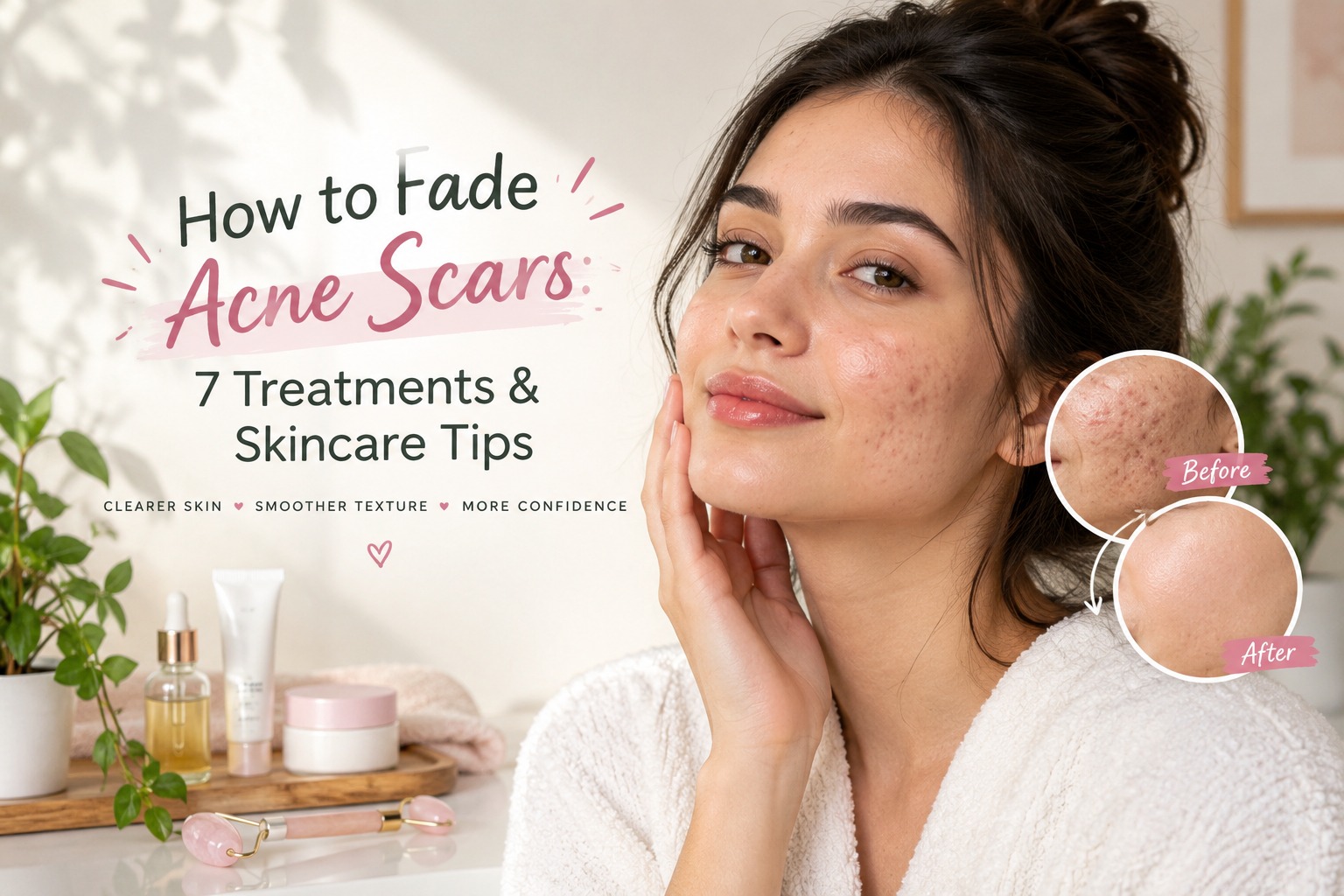
Acne may eventually disappear, but the marks it leaves behind can sometimes feel even more frustrating than the breakouts themselves. Whether you’re dealing with stubborn dark spots, uneven skin texture, or small indentations, finding the right approach can make a difference in your skincare journey.
If you’re wondering how to fade acne scars, the first step is understanding what you’re treating. Some marks are temporary discoloration that gradually improves, while true acne scars involve changes to your skin’s texture. Each requires a different approach.
The good news is that several skincare ingredients, healthy habits, and professional treatments can help improve the appearance of post-acne marks and scars. However, results depend on the type of scar, your skin, and the treatment you choose.
In this guide, we’ll explore what works, which ingredients are worth considering, how to build a practical skincare routine, and when professional help may be necessary.
Table of Contents
- What Causes Acne Scars?
- Acne Scars vs. Dark Spots: What’s the Difference?
- How to Fade Acne Scars With Effective Skincare Ingredients
- Build a Skincare Routine for Acne Scars
- Professional Treatments for Acne Scars
- Common Mistakes to Avoid
- How Long Does It Take to See Results?
- Frequently Asked Questions
- Conclusion
What Causes Acne Scars?
Acne scars can develop when inflammation from a breakout damages the skin. Deeper, more inflamed pimples are generally more likely to leave permanent changes in skin texture than mild breakouts.
Picking, squeezing, or scratching pimples can also increase inflammation and the risk of scarring.
Several factors may contribute to acne scars, including:
- Deep or painful acne breakouts.
- Repeated inflammation in the same area.
- Picking or squeezing pimples.
- Delayed treatment of persistent acne.
- A personal or family history of acne scarring.
Some people also develop dark or red marks after a pimple heals. Although these marks can look like scars, they don’t necessarily indicate permanent skin damage.
Understanding the cause of your skin concerns helps you choose a more appropriate treatment instead of trying multiple products without a clear plan.
Acne Scars vs. Dark Spots: What’s the Difference?
Before choosing products to fade acne scars, determine whether you’re dealing with discoloration or an actual scar.
These concerns can appear together, but they respond differently to treatment.
1. Dark Spots After Acne
Dark spots are flat areas of discoloration that remain after a breakout heals. Brown or grayish marks may result from post-inflammatory hyperpigmentation, while pink or red marks can reflect lingering changes after inflammation.
These marks are particularly common in people whose skin develops excess pigmentation following irritation or inflammation.
Skincare ingredients that target uneven skin tone may gradually improve their appearance.
2. Indented Acne Scars
Indented scars create small depressions or uneven areas in the skin. They can develop when inflammation damages the collagen that normally supports the skin.
Common types include ice pick scars, boxcar scars, and rolling scars.
Topical skincare can improve overall skin health, but deeper indentations often require professional treatments to produce noticeable changes in texture.
3. Raised Acne Scars
Raised scars form when excess scar tissue develops during healing. Some remain within the boundaries of the original acne lesion, while keloids can extend beyond them.
These scars may feel firm or appear elevated compared with the surrounding skin.
A dermatologist can determine the scar type and recommend suitable treatment.
Remember: Flat dark marks and textured scars are different concerns. Identifying the correct type is an important first step toward choosing an effective treatment. The American Academy of Dermatology explains the differences in its guide to acne scars and treatment options.
How to Fade Acne Scars With Effective Skincare Ingredients
The best skincare ingredients depend on whether your primary concern is discoloration, active acne, or uneven texture.
You don’t need to buy every trending product. Instead, start with ingredients suited to your skin concerns and introduce them gradually.
1. Vitamin C for Uneven Skin Tone
Vitamin C is an antioxidant commonly used in skincare products designed to brighten the complexion and improve the appearance of uneven skin tone.
It may help address discoloration left after acne, although its effectiveness depends on the formulation and your skin’s response.
How to use it:
- Choose a well-formulated vitamin C serum.
- Introduce it gradually to assess your skin’s tolerance.
- Apply moisturizer to support your skin barrier.
- Use broad-spectrum sunscreen during the day.
Vitamin C is not a guaranteed treatment for indented or raised acne scars. Its main role in this routine is supporting a more even-looking complexion.
2. Retinoids for Acne and Skin Texture
Retinoids are vitamin A derivatives used to treat acne and certain other skin concerns. Some topical retinoids can also help improve dark spots left after breakouts.
Adapalene is available without a prescription in the United States, while other retinoids may require a prescription.
Retinoids can cause dryness, redness, peeling, and irritation, especially when introduced too quickly.
Tips for using retinoids:
- Begin with an appropriate, lower-strength product.
- Follow the product instructions or your dermatologist’s advice.
- Introduce the product gradually.
- Use moisturizer to help manage dryness.
- Apply sunscreen during the day.
Topical retinoids are not suitable during pregnancy or when trying to become pregnant. Ask a healthcare professional about alternatives if this applies to you.
Although retinoids can help with acne and some discoloration, they generally cannot eliminate established deep acne scars on their own.
3. Azelaic Acid for Post-Acne Marks
Azelaic acid is an ingredient used to treat acne and improve certain types of uneven pigmentation.
It may be particularly helpful if you experience both breakouts and dark marks afterward.
Depending on the formulation, azelaic acid is available in over-the-counter and prescription products.
How to introduce it:
- Choose a formulation appropriate for your skin.
- Start gradually if you have sensitive skin.
- Avoid introducing several strong active ingredients simultaneously.
- Stop using it if significant irritation develops and seek professional advice if necessary.
Azelaic acid may help discoloration, but it won’t fill deep indentations or remove raised scars.
4. Salicylic Acid for Acne-Prone Skin
Salicylic acid helps exfoliate the skin and unclog pores. It is primarily useful for managing certain types of active acne rather than treating established scars.
Preventing new breakouts matters because recurring inflammation can lead to additional post-acne marks.
If you have oily or acne-prone skin, a salicylic acid cleanser or treatment may be worth considering.
However, excessive exfoliation can damage your skin barrier and make irritation-related discoloration worse. Use products according to their instructions rather than assuming stronger or more frequent application will produce faster results.
5. Niacinamide for Skin Barrier Support
Niacinamide, a form of vitamin B3, is commonly used in skincare products to support the skin barrier and improve the appearance of uneven skin tone.
It may be a useful addition if you want a simple routine that focuses on hydration and overall skin health.
Choose a product that your skin tolerates comfortably. A high concentration is not automatically better, especially if your skin is sensitive.
The bottom line: Ingredients such as azelaic acid and certain retinoids have useful roles in acne management and pigmentation concerns. However, no single serum works for every type of acne scar.
Build a Skincare Routine for Acne Scars
Consistency is more useful than constantly changing products. A simple routine can support your skin while targeted treatments gradually address your concerns.
Morning Skincare Routine
Follow these steps to care for your skin in the morning:
Step 1: Use a gentle cleanser.
Wash your face with a mild cleanser that removes excess oil without leaving your skin feeling tight or irritated.
Step 2: Apply one suitable treatment.
Depending on your skin’s needs, this could be a vitamin C product or another well-tolerated ingredient recommended for discoloration.
You don’t need to use every active ingredient in one routine.
Step 3: Moisturize.
Choose a moisturizer that suits your skin type. Hydrated skin is generally better able to tolerate targeted treatments.
Step 4: Apply sunscreen.
Use a broad-spectrum sunscreen with SPF 30 or higher. Apply it generously to exposed skin and reapply as directed, particularly after swimming, sweating, or prolonged outdoor exposure.
Sun protection is important because UV exposure can worsen some types of discoloration.
Evening Skincare Routine
Your evening routine can focus on gentle cleansing, targeted treatment, and moisture.
- Cleanse: Remove sunscreen, makeup, oil, and daily buildup.
- Apply treatment: Use one appropriate active ingredient according to its directions.
- Moisturize: Finish with a moisturizer that helps keep your skin comfortable.
If you’re introducing a retinoid or exfoliating ingredient, begin gradually. Using several potentially irritating products together can cause redness, peeling, and additional pigmentation.
If your skin becomes persistently irritated, simplify your routine and consult a dermatologist.
Why Sunscreen Matters
Sunscreen is one of the most important daily habits for people concerned about post-acne discoloration.
Sun exposure can make existing dark marks more noticeable or longer-lasting. Protecting your skin helps reduce this additional source of pigmentation.
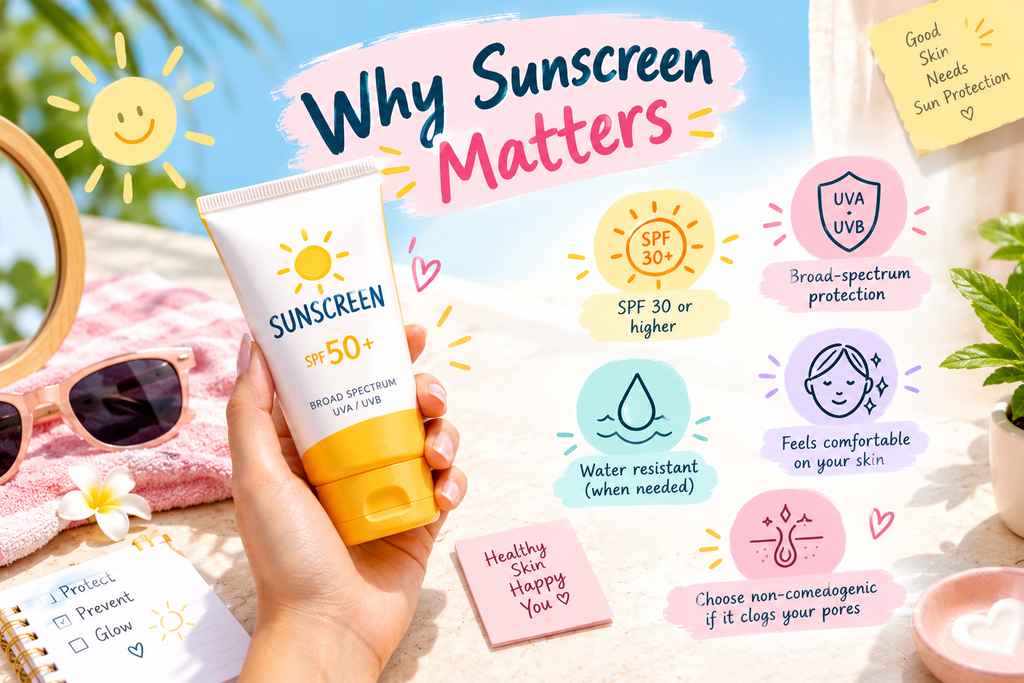
For everyday use, look for sunscreen that offers:
- Broad-spectrum UVA and UVB protection.
- SPF 30 or higher.
- Water resistance when needed for swimming or sweating.
- A formula that feels comfortable on your skin.
If sunscreen tends to clog your pores, consider a non-comedogenic formula.
You can also support your routine with other healthy habits. For more everyday self-care ideas, read GlowHabit’s self-care routine for women.
Professional Treatments for Acne Scars
When topical skincare isn’t enough, professional treatments may offer better options, particularly for raised or indented scars.
The right procedure depends on scar type, skin tone, medical history, and the possibility of side effects.
1. Chemical Peels
Professional chemical peels use carefully selected chemical solutions to exfoliate the skin.
They may improve certain types of discoloration and, in selected cases, the appearance of superficial acne scarring.
However, peels can cause irritation and pigment changes if the treatment isn’t appropriate for your skin.
A qualified dermatologist can help determine whether a peel is suitable.
2. Microneedling
Microneedling uses fine needles to create controlled micro-injuries in the skin. The healing process stimulates collagen production.
A dermatologist may recommend it for certain types of indented acne scars.
Multiple sessions may be needed, and results develop gradually. Professional assessment is especially important for people prone to dark marks after inflammation.
Avoid attempting aggressive microneedling at home, as improper technique can cause infection, additional scarring, and pigmentation problems.
3. Laser Treatments
Certain laser procedures can improve the appearance of acne scars by targeting skin texture, stimulating collagen remodeling, or addressing selected pigmentation concerns.
The best approach depends on the type of laser and your skin.
People with darker skin tones should seek a dermatologist experienced in treating acne scars across different skin tones because some procedures can cause unwanted pigmentation changes.
4. Subcision and Other Scar-Specific Procedures
Some indented scars are attached to deeper tissue beneath the skin. Subcision is a professional procedure that releases these fibrous connections.
Other scar types may benefit from different procedures, including carefully selected resurfacing techniques or treatments that address individual deep scars.
Raised scars may require a different approach, such as injections or other specialist-directed therapies.
There is no universal procedure for every scar type, and more than one treatment may be necessary.
Important: Professional procedures can improve the appearance of acne scars, but complete removal is not guaranteed. Consult a qualified dermatologist to discuss expected results, costs, recovery time, and potential risks.
Common Mistakes to Avoid
When trying to fade acne scars, some popular skincare habits can do more harm than good.
1. Picking or Squeezing Pimples
Picking acne increases inflammation and may raise the risk of scarring and discoloration.
Treat active breakouts appropriately rather than trying to force them to heal faster.
2. Using Too Many Active Ingredients
Combining several strong treatments at once can irritate your skin.
Introduce products gradually and give your routine time to demonstrate whether it is helping.
3. Relying on Harsh DIY Remedies
Lemon juice, undiluted essential oils, and abrasive scrubs can irritate your skin. Toothpaste is not an evidence-based acne treatment either.
Irritation may worsen discoloration, so stick to appropriately formulated skincare products.
4. Skipping Sunscreen
Ignoring sun protection can make pigmentation concerns harder to manage.
Choose a sunscreen you enjoy wearing and make it part of your daily routine.
5. Expecting Overnight Results
Skin improvement takes time. Frequently switching products or applying treatments more often than directed may increase irritation rather than speed up progress.
A consistent routine and realistic expectations are more useful than chasing overnight transformations.
How Long Does It Take to See Results?
The time required to improve acne marks or scars varies considerably.
Flat discoloration may gradually fade over several months, although some marks can persist longer. Improvement depends on factors such as skin tone, inflammation, sun exposure, and the treatment used.
Indented and raised scars may persist without professional treatment. Procedures can improve their appearance, but results often take multiple sessions and continued healing.
Here is a general guide:
| Concern | What to expect |
|---|---|
| Flat brown or dark marks | May gradually improve over several months |
| Red or pink post-acne marks | May fade gradually, depending on the cause |
| Mild uneven texture | Improvement depends on the underlying skin concern and treatment |
| Deep indented scars | Often require professional assessment and treatment |
| Raised acne scars | May require specialist-directed treatment |
These are general expectations, not guaranteed timelines.
If acne is still developing, treating active breakouts is important. Otherwise, new inflammation may continue to create additional marks and scars.
If you have persistent acne, painful breakouts, or noticeable scarring, consider seeing a dermatologist rather than waiting for your skin to improve on its own.
Frequently Asked Questions
Gentle cleansing, regular moisturizing, daily sun protection, and avoiding picking can support healthier skin. Some flat post-acne marks gradually fade without treatment.
However, natural remedies cannot reliably eliminate deep or raised scars. Avoid irritating DIY treatments, and consult a dermatologist if scarring persists.
There is no single best ingredient for every type of acne scar.
Azelaic acid and certain retinoids may help with acne and some forms of post-acne discoloration. Other concerns, particularly deep indentations and raised scars, may require professional treatment.
The most appropriate option depends on your skin and the type of scar.
Some flat marks fade substantially over time. True acne scars, especially those involving changes in skin texture, may remain even after treatment.
Professional procedures can make many scars less noticeable, but complete removal cannot be guaranteed.
Sunscreen helps protect your skin from UV exposure that can worsen discoloration. Although it doesn’t directly remove an established scar, daily sun protection supports a skincare routine focused on improving uneven skin tone.
Choose a broad-spectrum sunscreen with SPF 30 or higher.
Consider seeing a dermatologist if you have deep or raised scars, painful or persistent acne, worsening discoloration, or little improvement despite consistent skincare.
A dermatologist can identify the type of scarring and recommend appropriate treatments based on your skin’s needs.
Conclusion: Choose the Right Approach for Your Skin
Learning how to fade acne scars starts with understanding your skin and choosing treatments that address the actual problem.
Flat dark marks may respond to appropriate skincare ingredients and consistent sun protection, while indented and raised scars often require professional treatment. Gentle cleansing, moisturizing, and avoiding the temptation to pick at breakouts can also support healthier-looking skin.
Remember that improvement takes time, and your skin doesn’t need an aggressive routine to make progress. Focus on consistency, introduce products carefully, and seek professional guidance when needed.
Ready to build better skincare habits? Explore more beauty, skincare, and self-care tips on GlowHabit to create a routine that works for you.