/ Sep 23, 2026
Trending
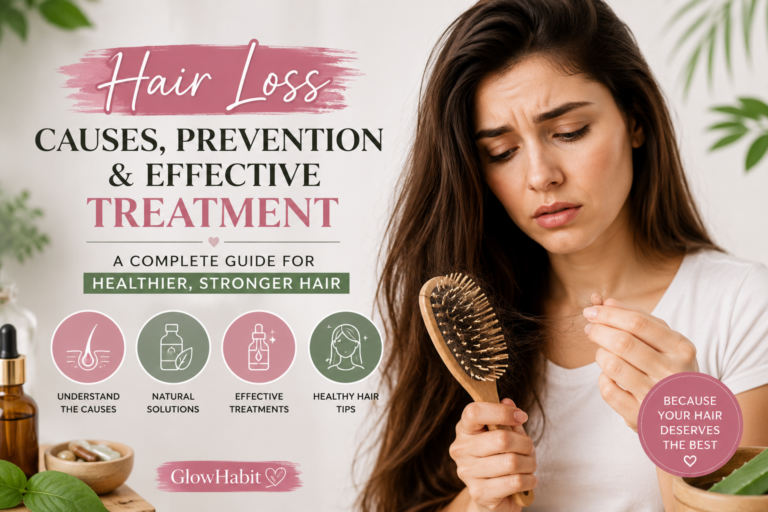
Healthy, strong, and shiny hair is something many people want, but achieving noticeable hair growth requires more than simply changing your shampoo. Your hair’s health depends on multiple factors, including nutrition, scalp care, lifestyle habits, genetics, and the products you use.
Many people experience slow hair growth, thinning, excessive shedding, or weak strands because of stress, poor nutrition, hormonal changes, or improper hair care routines. The good news is that small, consistent changes can help improve hair strength and support healthier-looking hair over time.
In this guide, we will explore effective hair growth tips, natural methods, essential nutrients, and daily habits that can help you achieve stronger and healthier hair.
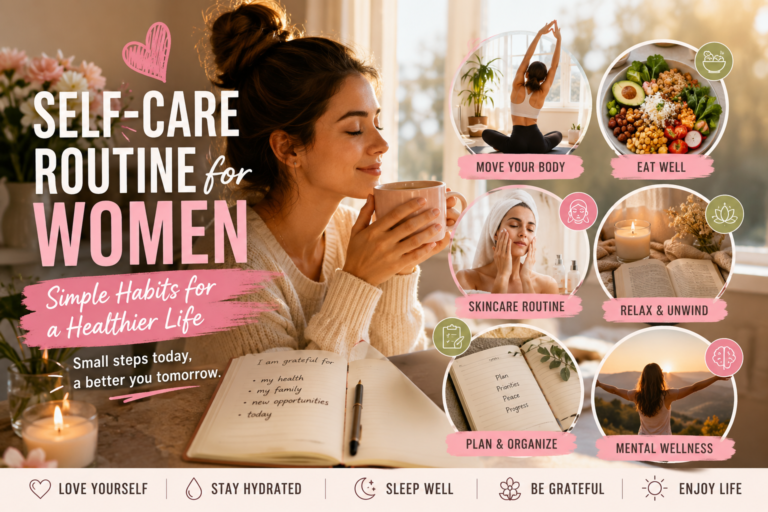
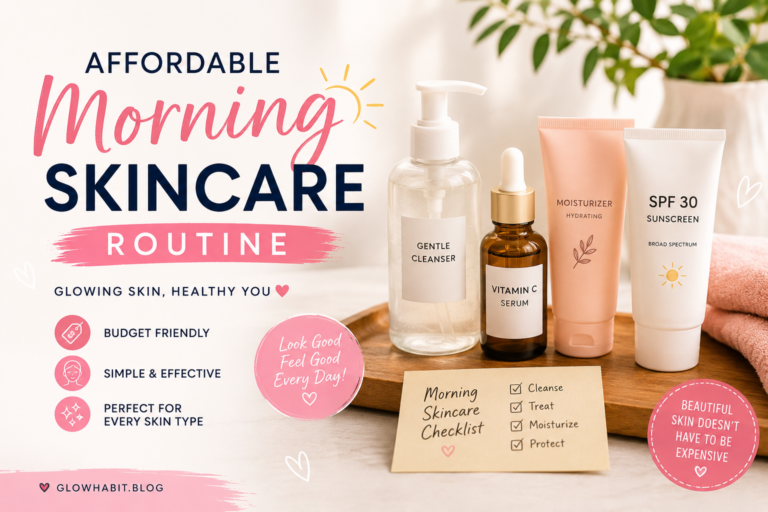
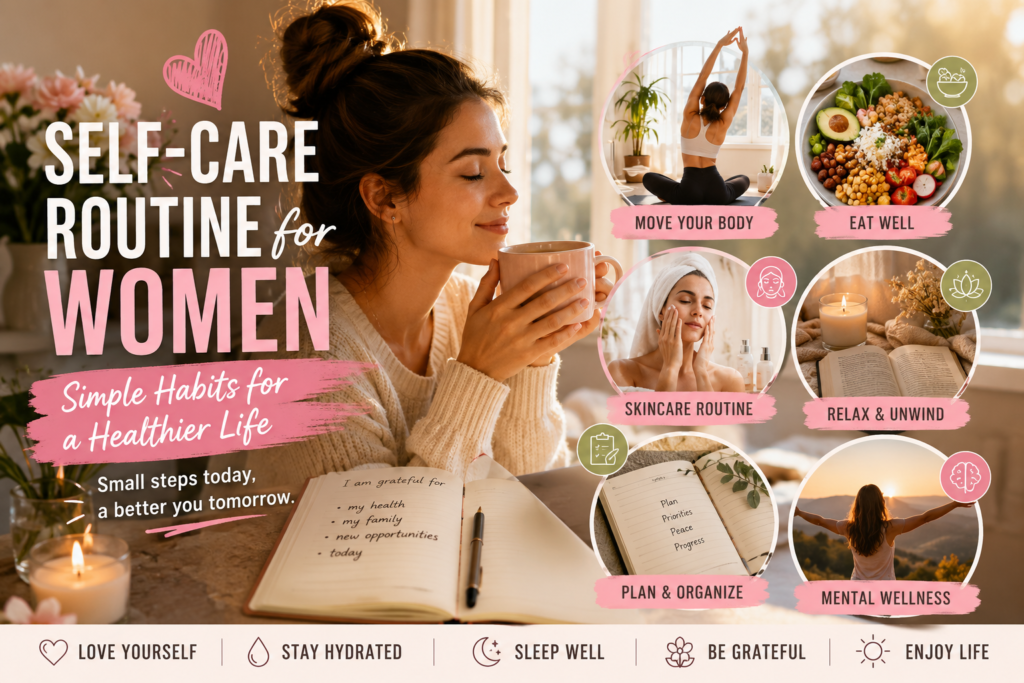
Taking care of your overall beauty routine can also support a healthy self-care lifestyle. Along with maintaining your hair, building a consistent skincare routine can help you feel confident every day. Explore our guide on an affordable morning skincare routine for simple and effective skincare steps.
Hair growth is a natural process that happens through a cycle of three main phases.
The anagen phase is the active growth stage where hair follicles produce new hair strands. This phase can last for several years and determines how long your hair can grow.
During this short phase, hair growth slows down as the follicle prepares for the resting stage.
The telogen phase is when old hair naturally sheds and new hair begins growing. Losing around 50–100 hairs daily is considered normal, but excessive shedding may indicate an underlying issue.
On average, human hair grows approximately half an inch per month. However, the speed of hair growth depends on genetics, age, health, diet, and lifestyle.
Before improving your hair routine, it is important to understand what may be affecting your results.
Common causes include:
Understanding the reason behind slow hair growth helps you choose the right solution instead of trying random products.
Your hair needs essential nutrients to grow properly. Since hair is mainly made of keratin, a type of protein, getting enough protein is extremely important.
Add these foods to your diet:
Important nutrients for healthy hair include:
Protein provides amino acids that support strong hair strands and reduce weakness.
Iron helps deliver oxygen to hair follicles. Low iron levels may contribute to increased hair shedding.
Omega-3s help support scalp health and maintain hair moisture.
Zinc supports normal hair follicle function and overall scalp health.
A healthy scalp creates the foundation for better hair growth.
Follow these scalp care tips:
A clean and balanced scalp helps create a better environment for healthy follicles.
Frequent use of heat styling tools can weaken hair strands and cause breakage.
To protect your hair:
Reducing damage helps your hair retain length and appear thicker.
Small changes in your daily routine can improve hair health.
Try these habits:
Although trimming does not make hair grow faster, it helps prevent breakage and keeps hair looking healthier.
Healthy hair starts from within. Your body needs the right vitamins, minerals, and nutrients to support strong hair follicles and maintain healthy strands.
A balanced diet can help improve hair quality and reduce problems like dryness, weakness, and excessive shedding.
A healthy diet plays an important role in maintaining strong and healthy hair. Getting the right balance of nutrients can support your overall wellness and help your body function properly. For more science-backed information about nutrition and healthy eating habits, visit Harvard T.H. Chan School of Public Health.
Biotin is a B vitamin that helps your body produce keratin, the main protein found in hair. A balanced diet usually provides enough biotin, but foods like eggs, nuts, seeds, and sweet potatoes are good natural sources.
Vitamin D plays an important role in healthy hair follicles. Low levels of vitamin D have been linked to certain types of hair thinning.
Sources of vitamin D include:
Vitamin C supports collagen production and helps your body absorb iron more effectively.
Good sources include:
Iron is essential because it helps deliver oxygen to your hair follicles. Low iron levels may contribute to increased hair shedding.
Iron-rich foods include:
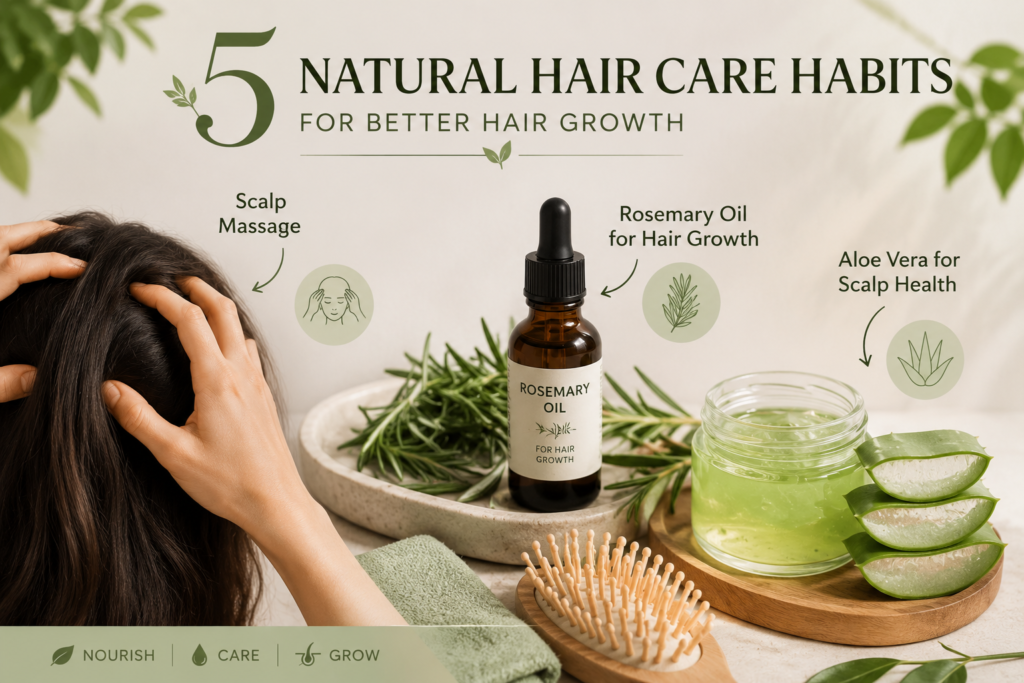
Many people include natural methods in their hair care routines to support scalp health and improve the overall appearance of their hair.
A gentle scalp massage can be a relaxing addition to your routine. Massaging your scalp may help increase blood circulation and create a healthier scalp environment.
Try massaging your scalp for a few minutes using your fingertips.
Rosemary oil has become a popular ingredient in hair care routines. Some research suggests that rosemary oil may support scalp health and encourage healthier-looking hair when used consistently.
How to use rosemary oil safely:
Consistency is important when adding any new ingredient to your routine.
Aloe vera is commonly used in hair care because of its soothing and moisturizing properties.
It may help:
You can use aloe vera-based hair masks or scalp products as part of your weekly routine.
Choosing the right hair products can support stronger and healthier-looking hair.
When shopping for hair care products, look for ingredients that focus on scalp health, hydration, and reducing damage.
Minoxidil is a clinically studied ingredient commonly used in products designed for certain types of hair loss.
Caffeine-based scalp products are popular because they may help support healthier hair follicles.
Niacinamide helps maintain scalp moisture balance and supports overall scalp health.
Peptides are often included in hair products designed to strengthen and improve the appearance of damaged hair.
Keratin-based products can help temporarily improve the look and feel of weak or damaged strands.
Your daily habits can have a major impact on your hair’s condition.
High stress can affect your body in many ways, including your hair cycle.
Healthy stress management habits include:
Quality sleep allows your body to repair and restore itself. Poor sleep habits may affect your overall health, which can also impact your hair.
Try to maintain a consistent sleep schedule and aim for enough rest each night.
Water supports healthy skin and body functions. Staying hydrated may help your hair look smoother and healthier.
Some hair shedding is normal, but certain changes may require professional advice.
Consider speaking with a dermatologist if you notice:
A dermatologist can help identify the cause and recommend suitable treatments based on your specific needs.
Hair usually grows around half an inch per month, but the speed varies from person to person. Genetics, nutrition, age, and overall health all influence hair growth.
The best approach is maintaining a healthy diet, caring for your scalp, avoiding excessive damage, managing stress, and following a consistent hair care routine.
Hair oils can help moisturize the scalp and reduce dryness, but they do not guarantee faster hair growth. Their benefits depend on the ingredients and your overall hair care routine.
Important nutrients include protein, iron, vitamin D, zinc, vitamin C, and biotin. If you have a deficiency, correcting it may improve hair health.
To make hair appear thicker, focus on reducing breakage, using volumizing products, maintaining scalp health, and following a nourishing hair care routine.
Achieving beautiful, healthy hair takes time, patience, and consistency. While there is no overnight solution, making smart choices about nutrition, scalp care, hair products, and lifestyle habits can support stronger and healthier-looking hair.
The best hair growth routine is one that fits your lifestyle and focuses on long-term hair health instead of quick fixes.
Start building simple habits today, and give your hair the care it needs to look its best.
Want more beauty and wellness tips? Explore GlowHabit for simple skincare, hair care, and self-care guides designed to help you create a healthier routine.
Healthy beauty habits work together to create a complete self-care routine. Along with caring for your hair, maintaining a consistent skincare routine can help you feel confident and refreshed. Explore our affordable night skincare routine guide for simple steps to support healthy, glowing skin.