/ Sep 23, 2026
Trending
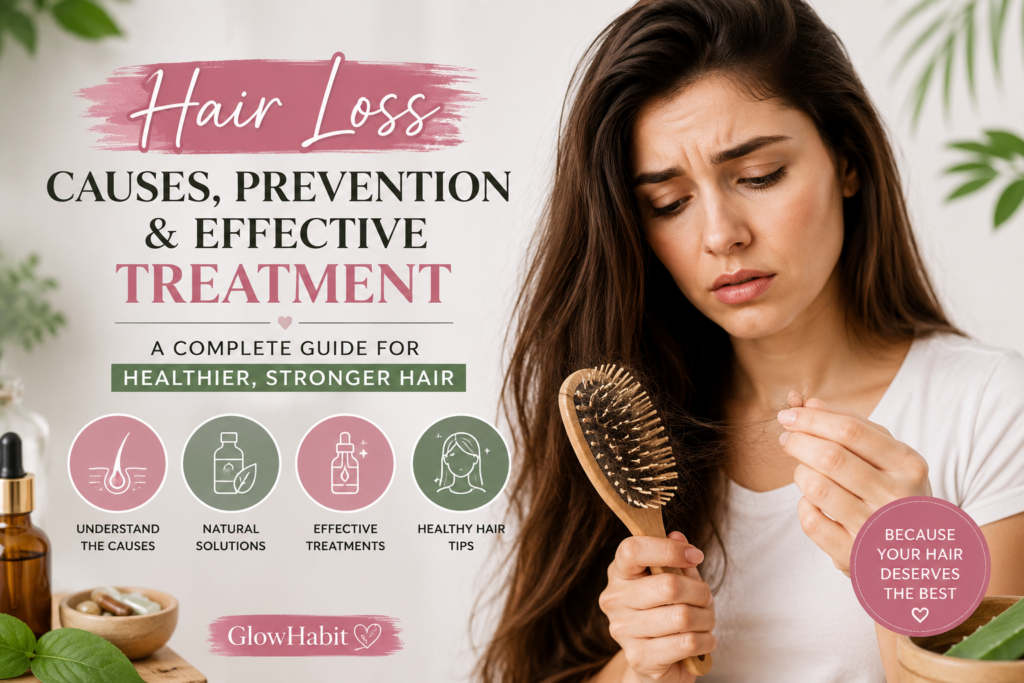
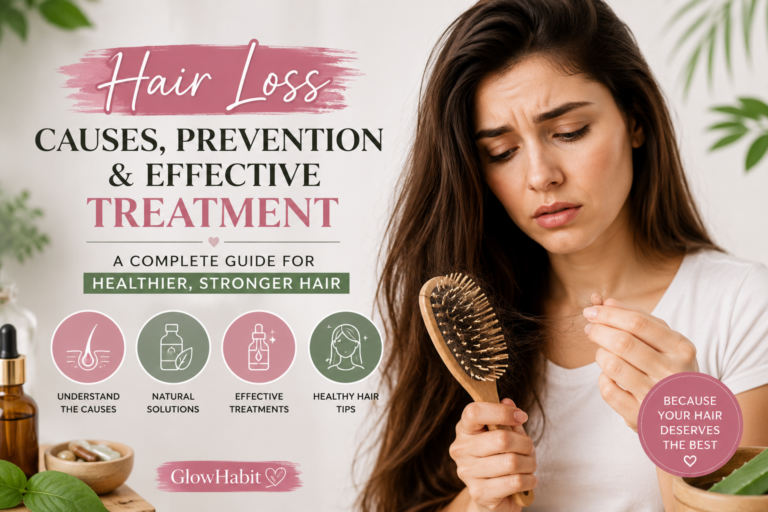
Have you noticed more hair falling out while brushing, washing, or styling your hair? You are not alone. Hair loss is a common concern affecting millions of people in the USA. While losing a few strands every day is normal, excessive shedding, thinning areas, or noticeable scalp visibility may indicate an underlying issue.
Hair thinning can happen due to several factors, including genetics, stress, hormonal changes, poor nutrition, medical conditions, and damaging hair care habits. Identifying the reason behind your hair shredding is the first step toward choosing the right treatment.
In this guide, we will explore the 10 most common hair loss causes, effective treatments, prevention tips, and simple lifestyle changes that can help improve hair health.
Looking to improve your overall beauty routine? Check out our Affordable Morning Skincare Routine for simple daily habits that help you look and feel your best.
Hair loss happens when hair falls out faster than the body can replace it. It is normal to lose around 50 to 100 hairs per day as part of the natural hair growth cycle.
The hair growth cycle includes three main stages:
When this cycle is disrupted, it can lead to excessive shedding, thinning hair, or bald spots.
Hair thinning can be temporary or permanent depending on the cause. Some people experience sudden shedding, while others notice gradual thinning over several years.
Genetics is one of the leading causes of hair loss. If your parents or close family members experience hair thinning, you may have a higher chance of developing similar patterns.
This condition is known as androgenetic alopecia and affects both men and women.
Common signs include:
Genetic hair thinning usually develops slowly and may require targeted treatments to manage.
Stress can significantly affect your hair growth cycle. High emotional or physical stress can push hair follicles into the resting phase, causing increased shedding.
Stress-related hair loss may happen because of:
Reducing stress through exercise, relaxation techniques, and proper sleep can support healthier hair growth.
Hormonal changes are another common reason behind weak hair follicles . Hormones influence the hair growth cycle, and imbalances can affect follicle strength.
Common hormonal causes include:
Women may experience increased shedding during periods of hormonal fluctuation.
Your hair requires essential nutrients to grow properly. When your body lacks important vitamins and minerals, hair follicles may become weak.
Common nutrient deficiencies linked with hair fall include:
Eating a balanced diet with nutrient-rich foods can help support stronger hair.
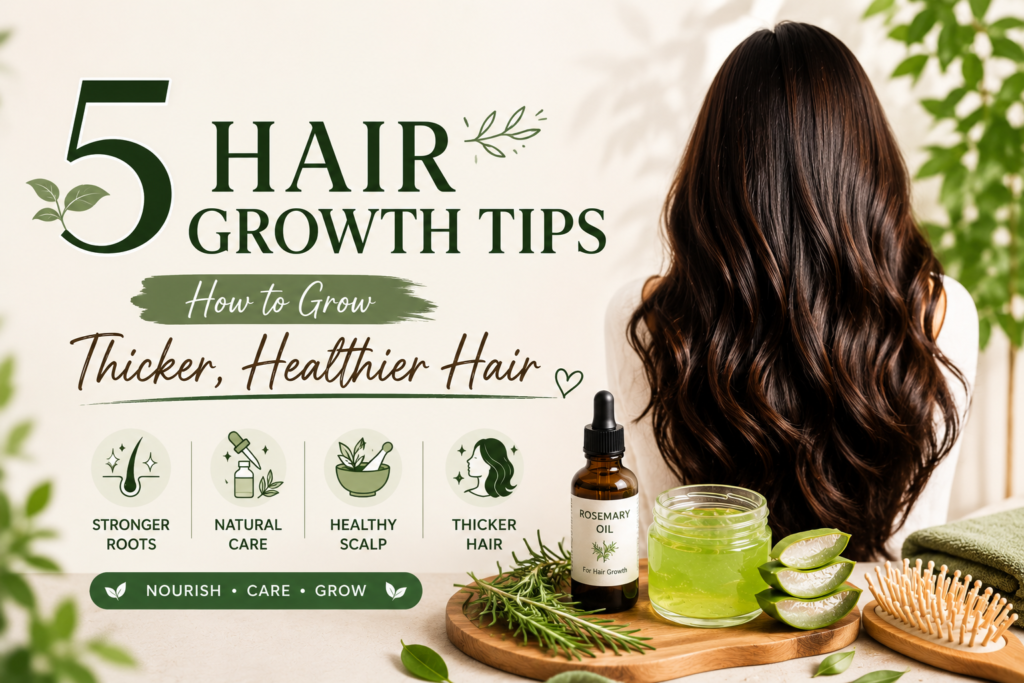
If you’re interested in learning how to encourage stronger, healthier strands naturally, be sure to check out our upcoming guide on Hair Growth Tips for expert advice, nutrition tips, and daily habits that support healthier hair.
Certain styling habits can weaken hair strands and cause breakage.
Common damaging practices include:
Using gentle products and reducing hair damage can help maintain healthy hair.
Some medical conditions can contribute to hair thinning or excessive shedding.
Examples include:
If thining hair appears suddenly or becomes severe, medical evaluation may help identify the cause.
As people age, hair follicles naturally become smaller and produce thinner strands.
Age-related hair changes may include:
Maintaining good nutrition and scalp care can help support hair health as you age.
A healthy scalp is important for healthy hair growth. Problems affecting the scalp can weaken follicles and contribute to hair shredding.
Common scalp issues include:
Regular cleansing and proper scalp care can improve the environment for hair growth.
Sudden weight loss or extreme dieting can affect your body’s nutrient balance.
When the body does not receive enough nutrients, it may reduce resources available for hair growth.
Crash diets may cause:
A balanced approach to weight management is better for long-term hair health.
Some medications may cause hair shedding as a side effect.
Examples include medications related to:
Always speak with a healthcare professional before making changes to prescribed medications.
This is the most common form of permanent hair loss. It is caused by genetics and hormonal sensitivity.
Men often experience:
Women may notice:
Telogen effluvium causes temporary hair shedding after stress, illness, hormonal changes, or nutritional problems.
Hair growth often improves once the trigger is addressed.
Alopecia areata is an autoimmune condition where the immune system attacks hair follicles.
It can cause:
Traction alopecia happens when constant pulling damages hair follicles.
It is commonly caused by:
Common signs of hair loss include:
You should consider professional advice if hair loss is sudden, severe, or continues for several months.
Minoxidil is a popular topical treatment used for certain types of hair thinning. It may help stimulate hair growth and improve hair density with consistent use.
Some people may require prescription options depending on the cause of their poor hair growth.
A dermatologist may consider:
Platelet-rich plasma (PRP) therapy uses components from your own blood to support hair growth.
For permanent fragile hair , hair transplant procedures may be an option for suitable candidates.
A balanced diet supports healthy hair follicles.
Include:
Follow these tips:
Healthy habits can support hair health:
Hair is mainly made of keratin, which requires protein for production.
Iron helps deliver oxygen to hair follicles and supports normal growth.
Vitamin D plays a role in maintaining healthy hair follicles.
Zinc supports scalp health and hair repair.
Biotin helps support keratin production and overall hair strength.
According to the American Academy of Dermatology (AAD), losing around 50–100 hairs per day is considered normal. If you notice sudden, excessive, or persistent shedding, it may be a sign of an underlying condition that requires medical attention.
The most common cause of hair loss is genetics. Hereditary hair thinning affects both men and women and usually develops gradually.
Yes, stress can disrupt the hair growth cycle and cause temporary shedding called telogen effluvium.
You can reduce hair loss by maintaining a healthy diet, managing stress, avoiding damaging hairstyles, and following a proper hair care routine.
Important nutrients for hair health include iron, vitamin D, zinc, protein, and omega-3 fatty acids.
You should consult a healthcare professional if you experience sudden hair loss, bald patches, scalp irritation, or rapid thinning.
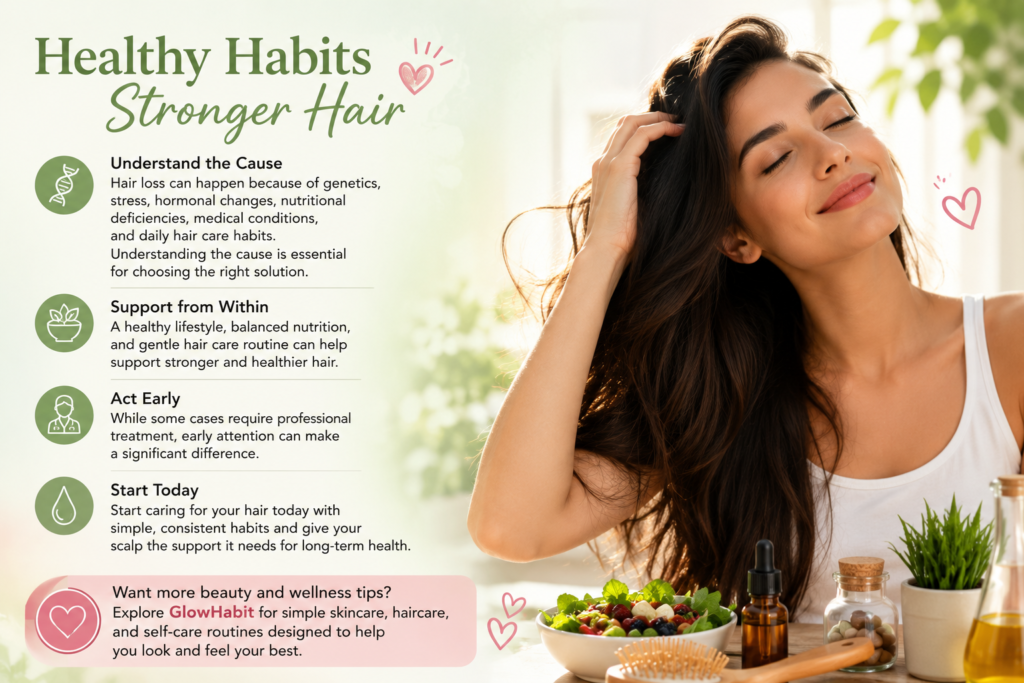
Hair loss can happen because of genetics, stress, hormonal changes, nutritional deficiencies, medical conditions, and daily hair care habits. Understanding the cause is essential for choosing the right solution.
A healthy lifestyle, balanced nutrition, and gentle hair care routine can help support stronger and healthier hair. While some cases require professional treatment, early attention can make a significant difference.
Start caring for your hair today with simple, consistent habits and give your scalp the support it needs for long-term health.
Want more beauty and wellness tips? Explore GlowHabit for simple skincare, haircare, and self-care routines designed to help you look and feel your best.